
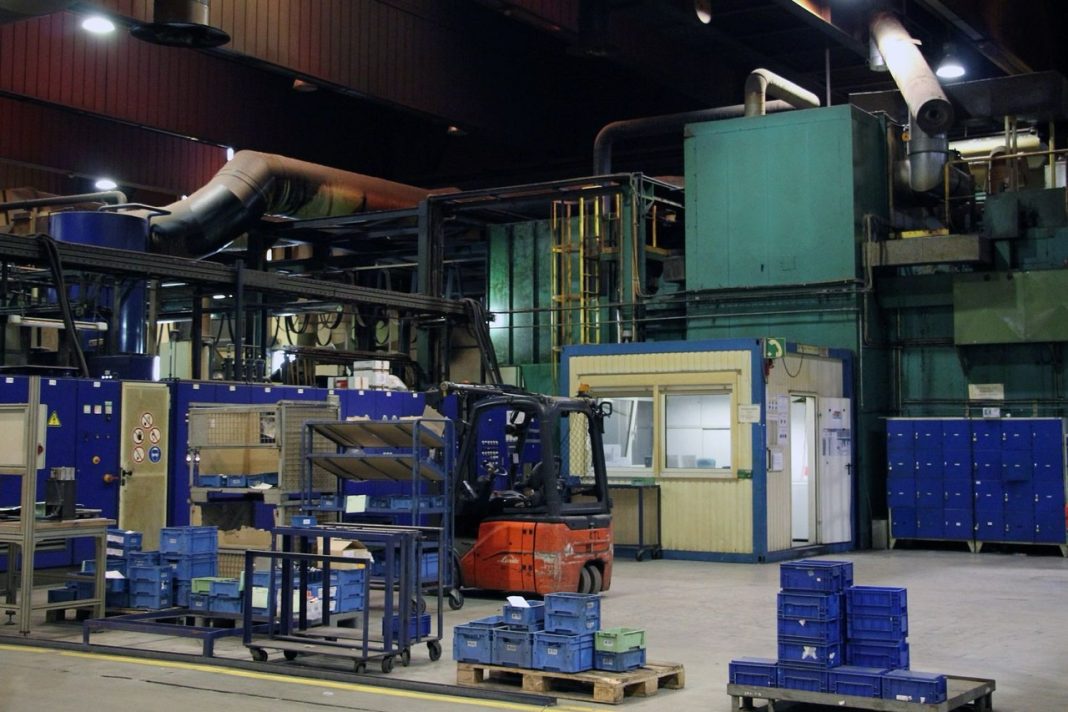

In 2024, the European industry faced a significant downturn, particularly in the machinery and equipment sector and the automotive industry. These developments also impacted the used machinery market: high-quality equipment from the automotive industry became increasingly available, while businesses increasingly opted for cost-effective used machinery to reduce investment costs – a clear trend in uncertain times.
The economy of the European Union in 2024 was in a challenging phase, marked by persistent difficulties and only gradual recovery. According to the Autumn Forecast of the European Commission, the real gross domestic product (GDP) is expected to grow moderately by 0.9% in the EU and 0.8% in the Eurozone. These figures were revised downwards from earlier projections, reflecting a still-muted economic dynamic.
On a positive note, inflation is expected to decrease to 2.7% in 2024, compared to 6.4% in the previous year. Rising GDP and declining inflation are generally positive indicators, but they do not always reflect the full picture. Structural challenges can continue to put pressure on the industry, even if the overall economy grows.
A Challenging Year for Industry, Production, and Machinery
Industrial production in the EU showed a mixed performance in 2024. Since the summer of 2023, it has been on a downward trend, interrupted by occasional months of slight growth. However, the overall situation remained tense.
Machinery manufacturing, one of the key sectors of European industry, recorded a significant production decline. In Germany, the EU’s largest producer of machinery, production fell by 8.5% in September compared to the previous year. The automotive industry also experienced setbacks: in the first half of 2024, German automotive sector revenues declined by 4.7% year-on-year, while automotive production in September decreased by 6.9%. This demonstrates that even leading industries have not been immune to the ongoing transformations.
A Changing Used Machinery Market
These developments had a direct impact on the used machinery market. Declining order volumes in machinery manufacturing led companies to reduce capacities and sell off surplus equipment. Simultaneously, the transformation of the automotive industry brought a significant number of machines from traditional production to the used machinery market, increasing the availability of high-quality equipment.
Demand also shifted noticeably. Companies facing economic uncertainty avoided large investments and turned to used machinery to save costs. While low-cost, versatile equipment remained in high demand, the appetite for expensive specialised machines declined. Despite these differences, the used machinery market overall experienced growth: in 2024, industrial auction house Surplex sold approximately 5% more machines and equipment than in the previous year.
Scale and Connectivity as Success Factors: Even in the Used Machinery Market
Similar to the industrial sector, where broadly positioned and adaptable companies navigate crises more successfully, the used machinery trade also demonstrates the importance of scale, connectivity, and strategic operations. For Surplex, 2024 marked a turning point. The company, which celebrated its 25th anniversary this year, became part of the TBAuctions network in the summer – the largest alliance of auction houses for capital goods in Europe.
Joining TBAuctions has opened significant opportunities for Surplex and the entire group. With over 2.1 million assets sold annually, bids from 700,000 bidders in 175 countries, and total hammer prices exceeding €1.5 billion, the network offers unparalleled global reach and immense market strength. This step underscores the critical role of strategic partnerships in an increasingly interconnected economy.
Conclusion: Industries in Transition in 2024
The year 2024 was characterised by profound changes in industries such as machinery manufacturing and the automotive sector. While production declines and structural adjustments highlighted ongoing challenges, the used machinery market emerged as a flexible and cost-effective alternative. The supply was bolstered by high-quality equipment from restructuring efforts, while demand focused on affordable and versatile all-rounders. More and more companies utilised the market to navigate uncertainties and allocate resources more efficiently.