
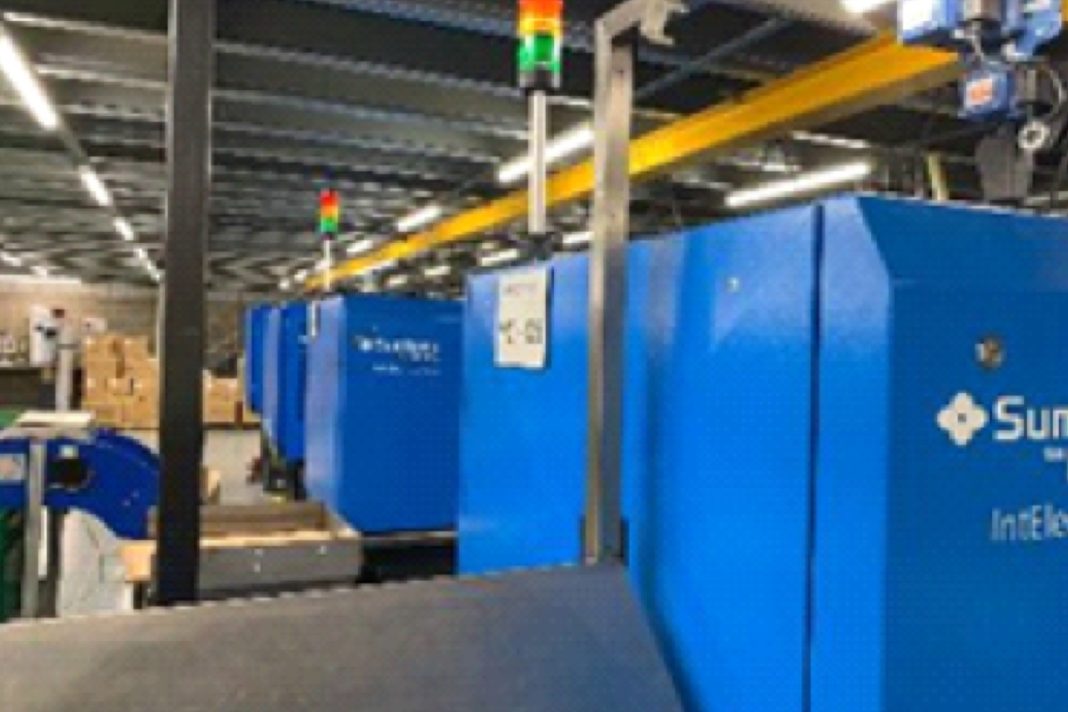

Despite volatile energy prices since late 2021, Lancashire-based polymer processor MGS Technical Plastics has achieved major energy savings and reduced its carbon footprint by 41 percent. This includes reducing its electricity use by 97,222 KwH between 2022 and 2023, and by a further 141,260 KwH in 2024.
Managing Director Judson Smythe explains the commercial benefits and why the measures taken forward by the company extend way beyond ticking sustainability and legislative boxes.
In manufacturing, but polymer processing especially, power and energy consumption are critical considerations that directly impact operational costs, environmental sustainability, as well as overall productivity. By adopting cleaner technologies, improving resource efficiency and building supply chain partnerships that support a circular economy in plastics, MGS has embedded sustainability into every decision the business makes.
“By prioritising sustainability and investing in environmentally responsible practices, MGS has lowered its carbon footprint by over 40 percent in just four years while unlocking greater commercial gains,” reinforces Judson. The company’s ambitious roadmap is aiming for Net Zero before 2050. In order to reach this target its strategy comprises clear interim goals focused on energy efficiency, digital transformation, material usage and circular manufacturing.
Through smarter energy management and targeted investments in innovative all-electric and digital technologies, MGS reports that it reduced its electricity consumption by over 28 percent over three years. In the same timeframe, company turnover increased by over £1.4m. This enabled MGS to produce approximately 450,000 more components using significantly less energy. Given that over 90 percent of its energy use is tied to production, these steps to cut emissions are especially impressive.
Highlighting that no machine in their fleet is over six years old, Judson shares that it can sometimes be challenging to reconcile the justification of making investments in cleaner technologies when the lifecycle of moulding machines can reach 20 years. However, on the flipside the faster cycle times, reduced energy, higher moulding precision and fewer rejects are persuasive benefits of the modern machines.
“To support us we implemented a very structured and result-driven sustainability programme. It is unrealistic to do everything at once, so we have clear interim goals, and regular reporting and evaluation reviews to maintain progress, accountability and agility.”
For example, weekly sustainability goals are tracked via a centralised MES system, with operational managers responsible for execution and reporting findings directly to the leadership team. Judson cites the introduction of InTouch Monitoring as being a significant gamechanger for tracking energy use and patterns. “It supports paperless workflows, digital job scheduling, real-time energy tracking, and downtime analysis.”
The data generated is used by MGS to optimise operations, reduce waste, and inform process improvements, influencing the company’s sustainability targets and strategic decision-making.
Additionally, all energy consumed at the Blackburn facility is sourced either from on-site solar panels or from Urban Chain, a renewable energy provider. With more panels added to the solar energy system in 2024, MGS trebled its solar power generation from 50 kWh to 150 kWh, producing enough power to cover 15 percent of their energy use.
Assisting customers transition to more bio-diverse materials is another part of the MGS sustainability strategy. Using recycled and biodegradable materials such as gum-tec contributes to sustainability projects like reusable deodorant, vertical planters and lightweight automotive components. Additionally, in mid-2025 MGS secured another multi-million-pound contract with a renewable energy client based on the company’s sustainability credentials.
“Energy-efficient technology adoption of this scale requires a clear forward-thinking approach with robust ROI projections and phased roll out plan. This is more than just industry stewardship, these steps are imperative for the future of manufacturing,” asserts Judson.
For further information visit: mgsplastics.co.uk