
The latest Engineering Integrity Society’s Instrumentation, Analysis & Testing Exhibition underlined a simple truth: in an era of electrification, lightweighting and new materials, getting tooling, testing, measurement and inspection right has never been more critical.
From battery fires to structural failures, recent incidents have shown that “materials testing is more important now than it ever was,” argued Brian Lever from ZwickRoell in his session on The Future of Materials Testing: AI, Automation & Sustainable Innovation. Yet the UK still lags behind other leading nations in automation; recent Make UK and International Federation of Robotics data suggest the UK has only around 100–112 industrial robots per 10,000 manufacturing workers, placing it roughly 24th in the global robot density rankings. For a sector under pressure to deliver safer, lighter and more sustainable vehicles, this gap is no longer sustainable.
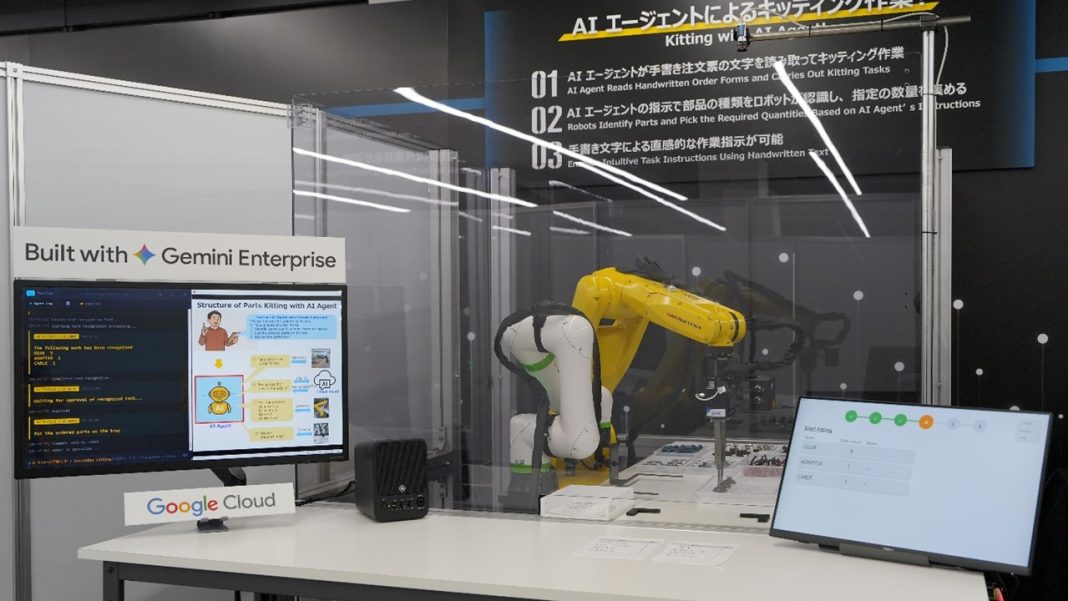
Automation and AI offer a route forward. As Lever highlighted, automated test systems can run continuously with minimal operator input and, in some laboratories, have boosted throughput “from around 30,000 specimens per year per operator to as many as 170,000 per year using robotics”, while also improving repeatability and accuracy. AI and machine learning are increasingly being used to flag subtle anomalies that humans may miss and to help predict fatigue behaviour and long-term material performance.
However, these technologies are not a silver bullet. Cost, skills and trust in new technology remain real barriers, alongside fears that automation could displace skilled engineers. “One of the biggest things our members are grappling with is the rise of AI and how we adopt it,” says Jamie Shenton, director of the Engineering Integrity Society (EIS). “It is critical that we take the knowledge of the engineers who came before us and use it to embrace AI – using the tools available, but not trusting them unequivocally.”
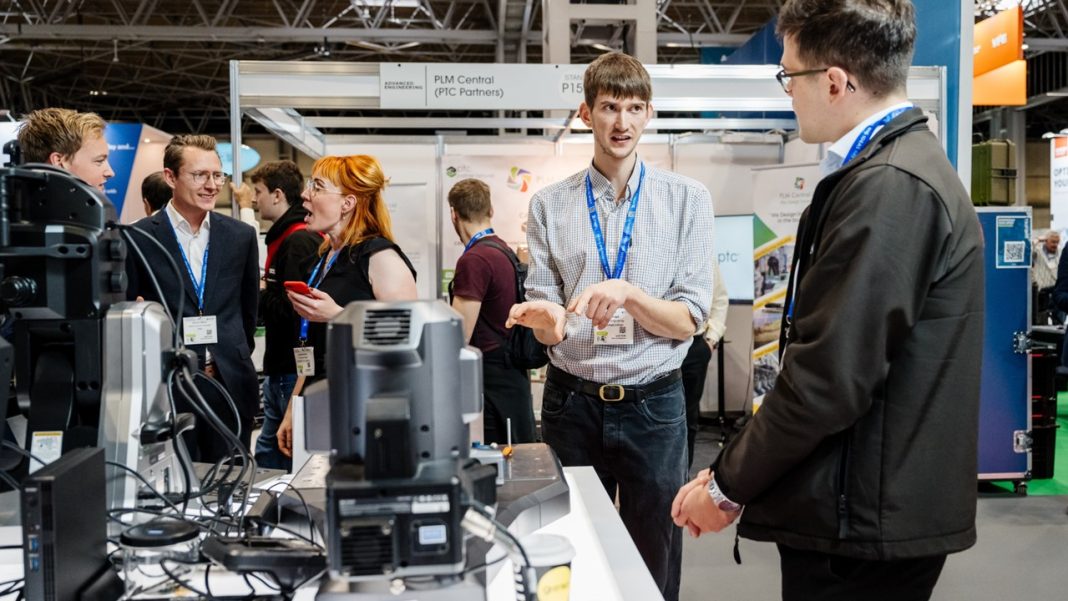
This need to blend hard‑won engineering experience with new digital tools is central to the way Advanced Engineering and EIS collaborate. “We are so interestingly linked because, like the exhibition here today at Silverstone, both of us bring vendors and suppliers together with the people who need them – we fill a similar space and complement each other,” Shenton explains. This year, EIS will return to Advanced Engineering with a dedicated pavilion, bringing together leading suppliers in instrumentation, testing, durability and analysis. For engineers working across tooling, machining, surface treatments and finishing, the pavilion will be the place to discover practical solutions, benchmark best practice and connect with the expertise needed to navigate the next era of testing and inspection.