

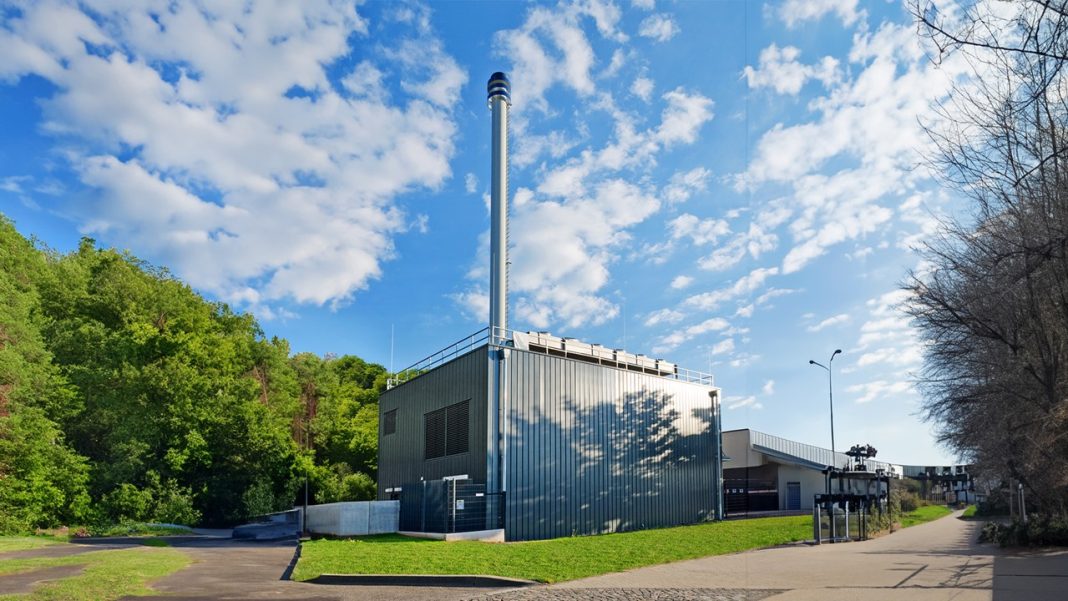

Cogeneration plants simultaneously generate electricity and heat, suitable for a wide range of settings – from residential buildings to businesses. Their sustainability stems from high-efficiency combined heat and power (CHP) cycle and the use of renewable energy sources. Consequently, public funding supports both the investment in cogeneration plants and the injection of generated energy into the grid. Purchasing used plants can further accelerate return on investment (ROI) and promotes the sustainable use of second-hand plants.
Cogeneration plants are modular and flexible energy generation units that produce both electricity and heat. They can be deployed in a variety of environments, from residential buildings to small and medium-sized enterprises. Designed to be placed close to the consumer, they minimise heat transportation losses, achieving high energy efficiency.
Sustainability through cogeneration
The combined heat and power (CHP) technology used in cogeneration plants allows for almost complete utilisation of the energy input. The heat generated during electricity production is specifically used for heating purposes or hot water preparation.
The heart of a CHP is usually a combustion engine. Its mechanical energy is converted into electrical power by a generator. Additionally, unlike in other plants, the waste heat in the exhaust gas from combustion is utilised in CHPs in a heat exchanger to heat water. Alternatively, process heat can be produced, used for various applications such as steam, hot air, or thermal oil. Waste heat can also be used for air conditioning through absorption heat pumps, which utilise the waste heat for cooling purposes.
With complete and local use of waste heat and high-efficiency combustion engines, cogeneration plants can achieve an overall efficiency of up to 90% (based on calorific value).
Sustainability through renewable energy sources
A wide range of fuels is available for CHP operation, depending on the type of engine installed. Fossil fuels such as heating oil and natural gas are part of the spectrum, as are renewable energy sources. The latter includes especially vegetable oils, primarily palm and rapeseed oil, and biodiesel, mainly used in diesel engines. For petrol engines, bio-, sewage, and landfill gas offer environmentally friendly alternatives. Renewable resources such as wood chips and pellets can be used in specially designed engines and steam power plants. CHPs equipped with diesel or Stirling engines can also be operated with light heating oil.
Cost efficiency of used plants
A comprehensive analysis of the cost-effectiveness of cogeneration plants includes not only direct investment and operating costs, such as depreciation, fuel costs, and maintenance expenses, but also revenues from the sale of electricity and heat and the resulting cost savings. Public subsidy programmes provide additional investment incentives.
A key factor in the cost-effectiveness of cogeneration plants is a sufficiently high number of operating hours in the high load range per year, as this significantly increases the amount of electricity that can be fed into the public grid beyond self-consumption. Especially for cogeneration plants operated with renewable energies, the fed-in electricity quantities are often compensated at subsidised, higher prices. For larger plants, there is also the possibility of profitably selling the generated heat to the public network.
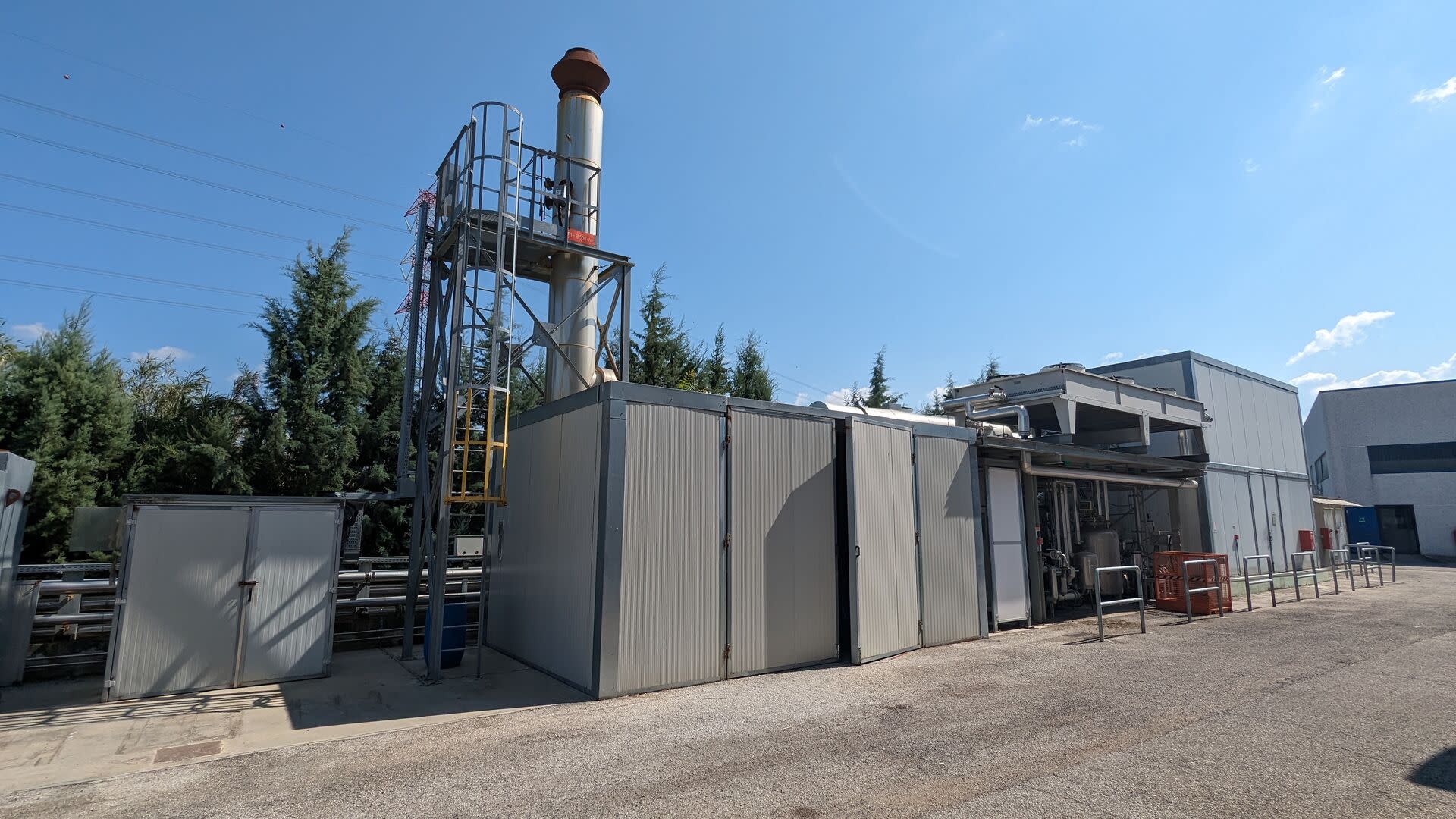
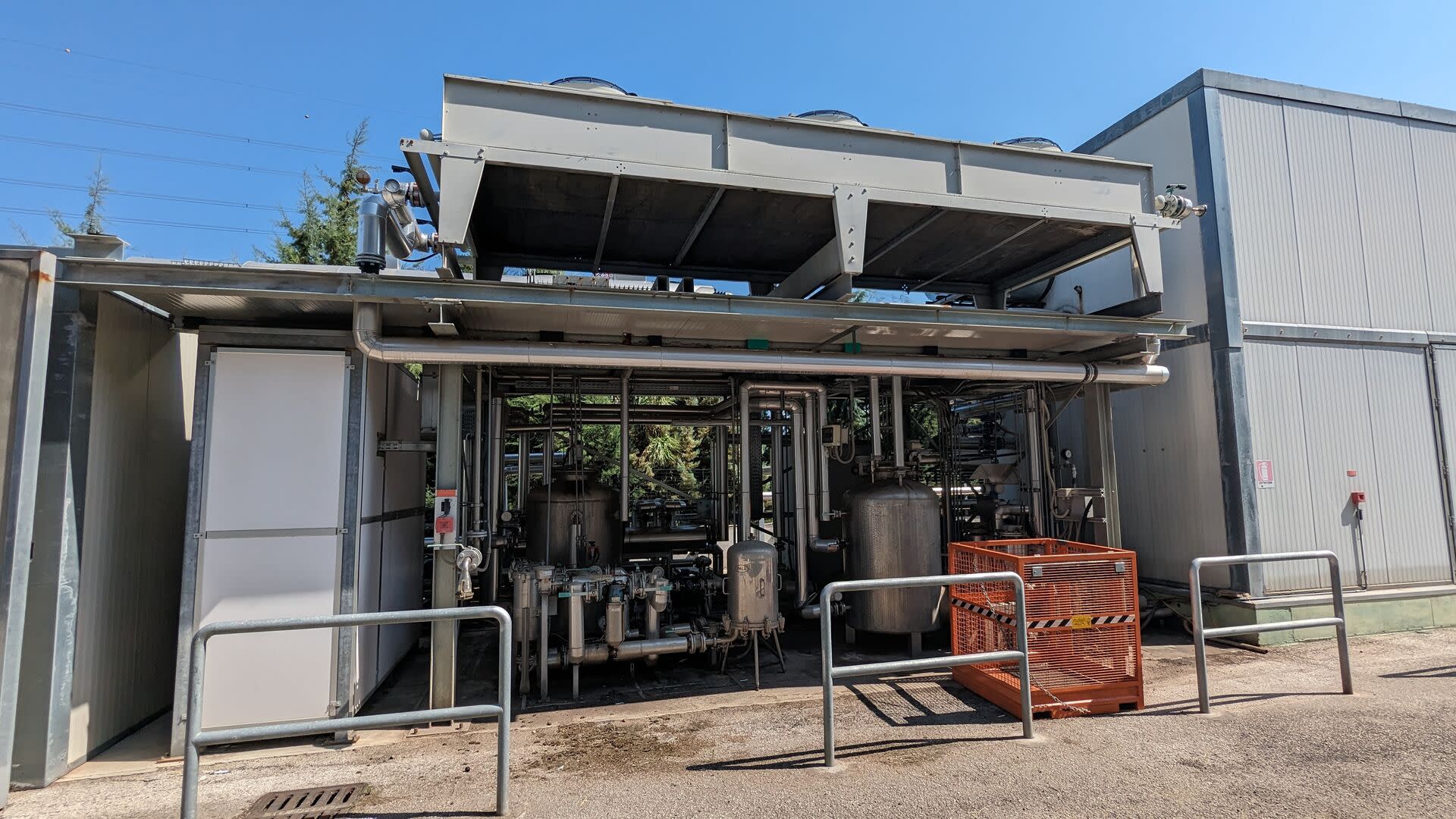
A significant reduction in the high investment costs for cogeneration plants can be achieved by purchasing used ones. An example is the cogeneration plant (940 kW) in Vallemare (Pescara), Italy, up for auction on Surplex.com, manufactured in 2012. This CHP is specifically designed for operation with vegetable oils such as rapeseed, sunflower, and soy oil but can also burn animal fats and palm oil thanks to its complex heated supply system. Purchasing such a used plant from Surplex not only represents a cost-effective investment in sustainable energy but also actively contributes to resource conservation and thus sustainability by reusing machinery.


 cycle and the use of renewable energy sources.)