

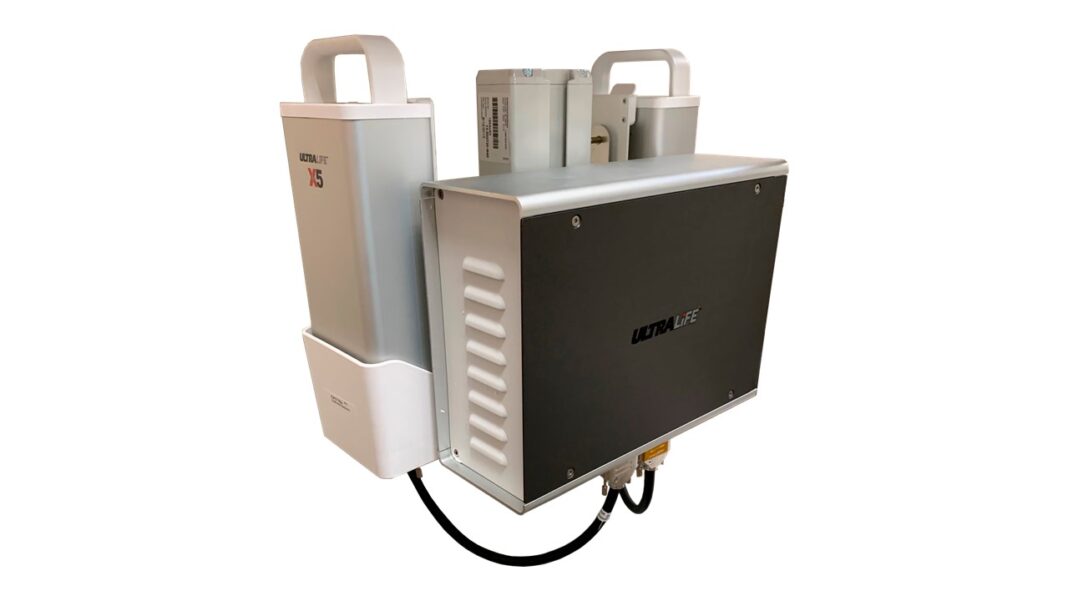

Medical carts provide an invaluable way for healthcare professionals to transport the wealth of electronic devices that speed up data entry and communication during emergencies (such as laptops and tablet computers). As such, demand for carts is on the rise. Ultralife has been manufacturing cart-mountable power solutions for nearly ten years, so has a good understanding of the scenarios that this equipment can face in the field, and how to ensure the devices that are being transported are powered effectively. To share this knowledge, Ultralife has created an infographic that can be downloaded from the .
The medical cart market is expected to grow at a rate of 13.9 per cent per year until 2026. Factors behind this growth include improvements in manoeuvrability and an increase in the number of footprints to choose from. With this increased demand, however, comes a heightened need to understand and mitigate any difficulties these carts may face in the field.
Therefore, design engineers, electrical engineers and original equipment manufacturers (OEMs) can use the infographic to learn more about the importance of integrating power solutions that address issues around performance, reliability and safety. For example: How can the power system help the cart to fit into confined spaces or successfully power all the electronic devices it needs to? What safety features are contained within the batteries to prevent against misuse?
“By getting answers to these questions, OEMs and design engineers should be able to make an informed decision about which type of power solution is best-suited to their needs, based on the type of cart they have and the electronic devices they are powering,” explained Robert Brown, Marketing Executive at Ultralife.
“As with all transportable equipment, the design trend for medical carts is to make them smaller and lighter. For this reason, an ever-increasing number of hospitals are using compact pole/mobile carts to power devices that require USB-C or USB-A power only — a trend that saw Ultralife develop the X5-LITE cradle.”
Larger carts may still be used to transport bigger and more power-hungry devices, such as printers. For those carts, Ultralife offers the X5 Power System.
Interested parties can download the medical cart infographic from the Ultralife website, . For more information about Ultralife’s range of medical cart power solutions, visit the .


. As such, demand for carts is on the rise.)