
The modern world runs on electronics, yet the devices that underpin daily life are increasingly designed to be discarded. Smartphones, laptops and medical equipment are replaced at accelerating speed, even though the components inside them are often capable of operating reliably for decades.
The result: a mounting environmental crisis, characterised by spiralling electronic waste, fragile supply chains and dependence on resource‑intensive mining.
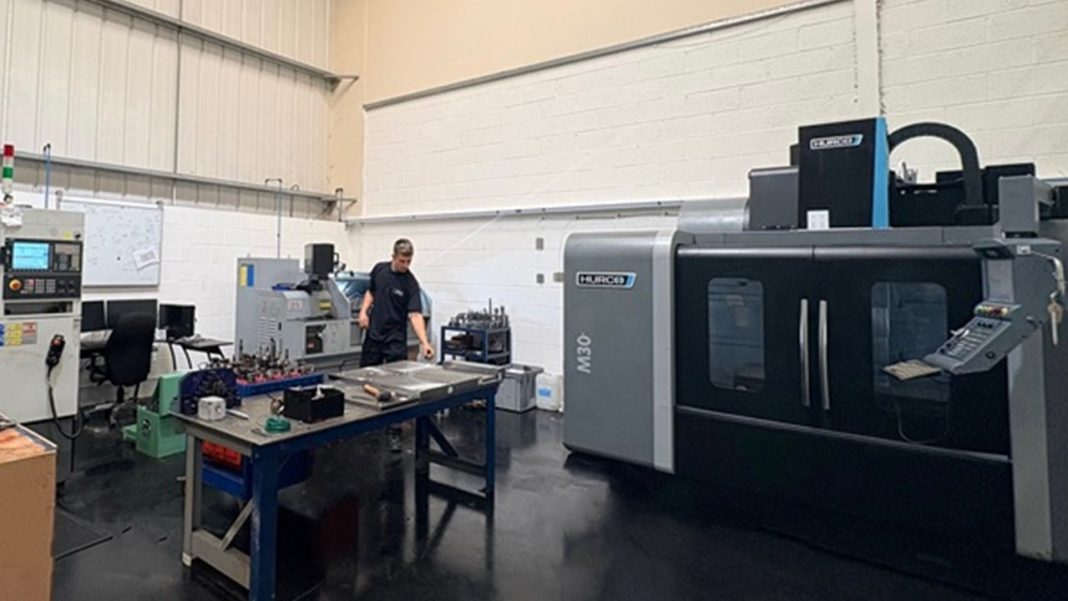
Against this backdrop, a British company has opened the world’s first facility dedicated not to recycling electronics for raw materials, but to recovering and reusing the components themselves.
Sustainable electronics specialist In2tec unveiled a £1.5m recovery centre designed to rethink what happens to electronics in repair, and at the end of their useful life.
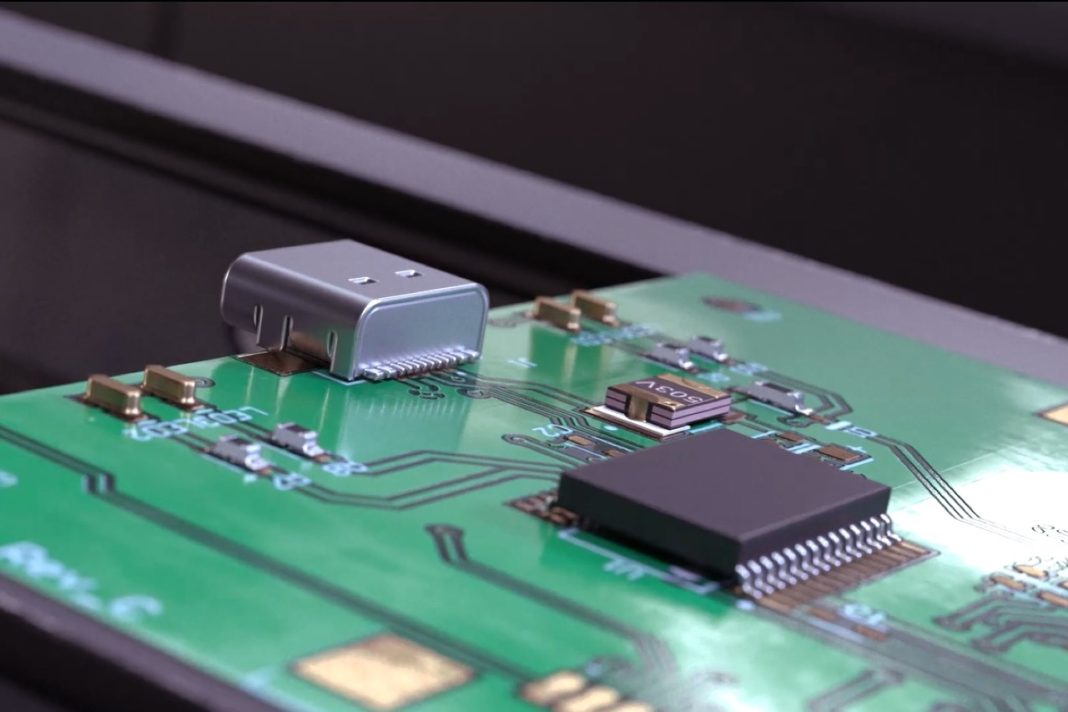
Unlike conventional ewaste recycling, which typically involves shredding circuit boards and extracting a small proportion of precious metals, the new ReCYCLE™ facility is designed to “unzip” electronics non‑destructively. Using technologies developed by In2tec, components can be released intact, unstressed, and suitable for reuse in repair, refurbishment or new products.
A growing problem of waste and scarcity
The scale of the problem is hard to overstate. More than a billion mobile phones and hundreds of millions of laptops are manufactured globally every year, yet many are used for only a fraction of the lifespan their components were designed to deliver. Electronic components often have a life expectancy of 20 years or more, but in practice are typically discarded after fewer than four years as devices are upgraded or rendered obsolete.
At the same time, the industry is grappling with rising component costs, volatility in materials pricing and increasingly fragile supply chains. These pressures have been compounded in recent years by geopolitical instability and surges in demand for electrification, renewable energy and digital infrastructure.
“Component recovery at scale needs a fundamentally different approach,” says Emma Armstrong, Sustainable Electronics Ambassador at In2tec. “We have built an industry that destroys value at end of life, even though the most valuable parts are still perfectly viable”.
Why recycling isn’t enough
While electronics recycling is often presented as a solution, its limitations are increasingly clear. Recovering metals from shredded circuit boards is energy‑intensive and yields only a fraction of the materials originally used. Valuable components are lost entirely, and informal recycling in parts of the developing world frequently exposes workers and communities to toxic substances.
Electronic waste is classified as hazardous, containing materials such as lead, mercury and dioxins, several of which are recognised as chemicals of major public health concern. Poor‑quality recycling processes can release these substances into the environment, creating risks for both human health and ecosystems.
By contrast, In2tec’s approach aims to retain the highest possible value from electronics by preserving complete components rather than reducing them to raw materials. The company’s ReUSE® technology focuses on designing circuit boards from the outset so that components can later be separated safely, while the ReCYCLE™ process enables their low‑energy recovery at end of life.
From waste to resource
The implications for manufacturers could be significant. By recovering validated components during in-line yield failure, from returned, or end‑of‑life products, companies can create internal buffer stocks for repairs, spares and future builds. This can reduce exposure to lead‑time uncertainty, mitigate costly obsolescence and lower development costs by allowing components to be reused across design iterations.
In sectors such as healthcare, where innovation is essential but reliability is critical, the ability to recover and redeploy components offers a way to balance technological progress with sustainability. It also offers a route to reducing emissions associated with mining and manufacturing new electronic parts.
“This isn’t about slowing innovation,” says Armstrong. “It’s about making sure innovation doesn’t come at the expense of the planet or of long‑term supply security”.
A shift in how electronics are made
In2tec argues that meaningful change requires action much earlier in the lifecycle than disposal. Designing electronics for recoverability, rather than treating recycling as an afterthought, represents a shift in how manufacturers think about products. The company says its technologies can be used across a wide range of substrates, from conventional circuit boards to aluminium, polymers and emerging biomaterials, and can be adopted either within In2tec’s own facilities or licensed by original equipment manufacturers and contract electronics manufacturers.
Whether this approach can scale fast enough to make a dent in the global ewaste crisis remains to be seen. But as component scarcity, environmental pressure and regulatory scrutiny all intensify, the idea that electronics should be built to come apart – rather than be thrown away – may be gaining traction.
If the throwaway age of electronics is to end, it may not be recycling alone that delivers the solution, but recovery by design.
For more information visit: in2tec.com