
Technology that is designed to be recycled, repaired, and reused is the solution to unreliable PCBA supply chains, according to Emma Armstrong, the Sustainable Electronics Ambassador and Group Commercial Director at In2tec.
OEMs are struggling to secure components because of geopolitical pressures, such as the constriction of shipping through the Straits of Hormuz, which has choked the supply of polyethylene, a substrate material used in the manufacture of PCBAs.
A recent report from PCBA supplier Fineline outlined how PCBA pricing is ‘significantly above historical baseline levels’ and material availability is increasingly erratic.
Suppliers are operating with minimal inventory, often holding only a few days’ stock, while the AI arms race is causing unprecedented demand. Furthermore, the report adds that there is no end in sight, with supply chain conditions forecast to remain challenging beyond 2026.
Emma, an advocate for modular technology, says: “Bluntly, getting hold of PCBAs is hard and expensive – and will be for the foreseeable future.
“OEMs need to look to the future and seek out a contingency if they wish to remain competitive. Pioneering tech that allows components in circuit boards to be repaired, and the faulty component recycled, is a cost-effective alternative to virgin supply that also demonstrates a commitment to carbon footprint reduction.”
In2tec works with manufacturers to create modular products that are designed to be disassembled, so valuable components can be easily replaced and recycled.
Emma adds: “An astonishing amount of valuable components and vital materials like gold, silver, copper, and rare earth elements is wasted because of conventional manufacturing processes. This status quo cannot continue.
“Jettisoning limited and obsolete PCBAs is essential for forward-thinking manufacturers that want to maximise profit and meet their environmental responsibilities.”
Uncertain access to PCBAs can also hinder research and development, as evidenced by the Manufacturing Outlook Report released by consulting firm Crowe earlier this year, which found that a total of 54% of UK manufacturers cite ‘uncertain return on investment’ as the primary barrier to investing in R&D.
However, Emma says modular circuit board designs that allow components to be removed without stress or damage can significantly cut the levels of waste associated with new and updated designs.
“Outdated circuit board designs have a high failure rate and generate significant amounts of material waste with each design iteration, not to mention the associated resulting cost,” she said. “The innovative plug-and-play design of modular technology minimises this waste because components can be recovered and reused in the next stage of development.”
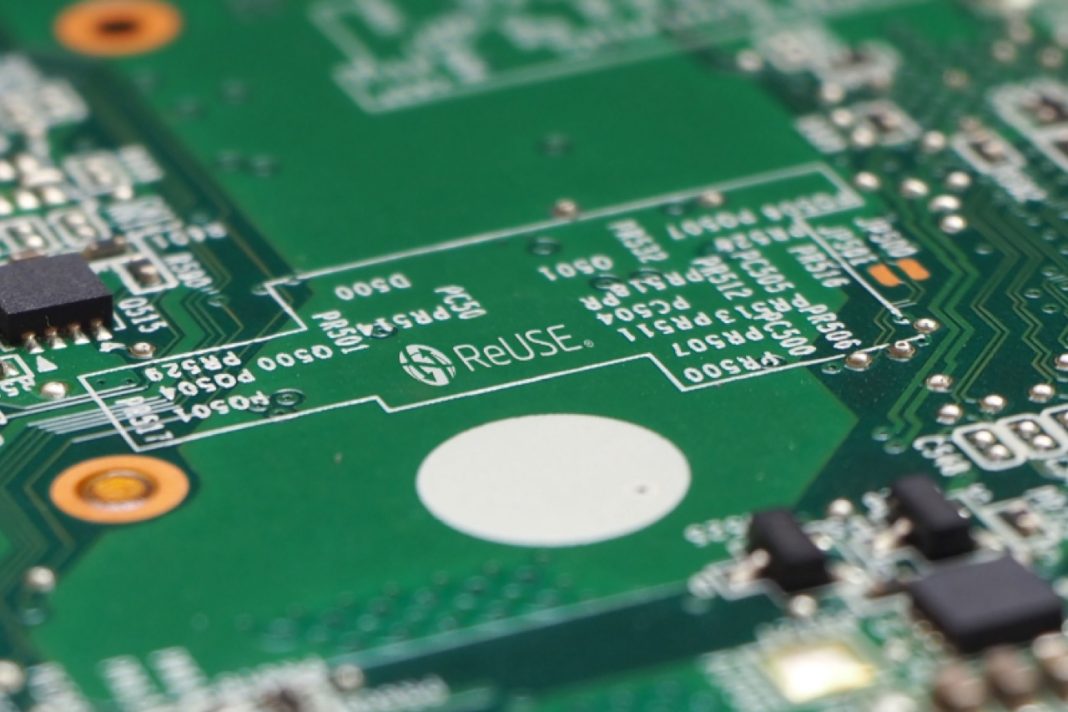
In2tec’s core products are ReUSE®, a series of materials, processes and design principles used to manufacture PCBAs, and Recycle™, the ultra-low energy process for unzipping printed circuit board assemblies (PCBA) – the foundation of nearly all technology – to the original bill of materials (BoM).
The technology’s versatility allows global commercialisation and a vast reduction in the overall energy used to manufacture and process when it reaches its end of life, something that is not possible when using conventional PCBA processes or materials.