

Made Smarter and Manchester Metropolitan University’s PrintCity have positioned the North West as a UK hotspot for 3D printing adoption, according to new Government research.
The study, published by the Department for Science, Innovation and Technology (DSIT), found the region has the highest 3D printing adoption rate (20%) in the UK outside London (30%).
It credits a place-based innovation model, centred on Greater Manchester, with driving this success, naming Made Smarter North West, the government-backed technology adoption programme, and PrintCity, MMU’s state-of-the-art 3D printing facility, as key enablers.
3D printing, or additive manufacturing, is transforming how products are designed and made. By creating complex parts layer by layer, it accelerates production, cuts waste, and enables rapid prototyping and customisation. From aerospace to healthcare, the technology is helping manufacturers boost productivity, innovate faster, and operate more sustainably.
Since launching in 2019, Made Smarter North West has supported 27 manufacturers to invest £1.6m in 3D printing technologies, backed by £442,000 in grant funding. These projects are expected to create 128 jobs, upskill 117 roles, and add £15.6m in GVA to the North West economy.
Working closely together, Made Smarter and PrintCity have given SMEs the confidence to explore 3D printing through site visits, demonstrations, and practical training. The partners co-developed the Fast Track Additive Manufacturing – Upskilling the Workforce programme, designed to accelerate adoption by upskilling employees. In addition, more than 125 manufacturing leaders have taken part in hands-on sessions at PrintCity as part of Made Smarter’s Leading Digital Transformation programme.
The partnership has also extended to skills pipelines. MMU has supported Made Smarter’s Digital Technology Internship programme. Its 3D-printing skilled undergraduates and Master’s students have delivered real-world digital transformation projects, from developing roadmaps to implementing hardware and software. The initiative not only gave students valuable paid experience, with some securing permanent jobs at the end of their placements, but also helped manufacturers identify applications for 3D printing, adopt new technologies, and benefit from reverse mentoring.
Claire Scott, Technology Adoption Specialist for Made Smarter, who contributed to the research, said: “This new research confirms what we see every day: when SMEs have the right support, they embrace transformative technologies like 3D printing. Greater Manchester’s success shows the power of partnership to drive productivity, innovation and growth across a whole region.”
Professor Carl Diver, Director of PrintCity at Manchester Metropolitan University, said: “Our mission is to demystify 3D printing and show businesses the real value it can bring. With almost £2m invested in state-of-the-art equipment and a team spanning teaching, research and business engagement, we’ve supported hundreds of SMEs to innovate and improve processes by adopting the technology. Working in partnership with Made Smarter, we can give manufacturers the confidence, skills and insight they need to adopt additive manufacturing and drive growth. Our Digital Design and Manufacturing MSc is developing talented graduates with additive manufacturing skills to support companies in the region and beyond.”
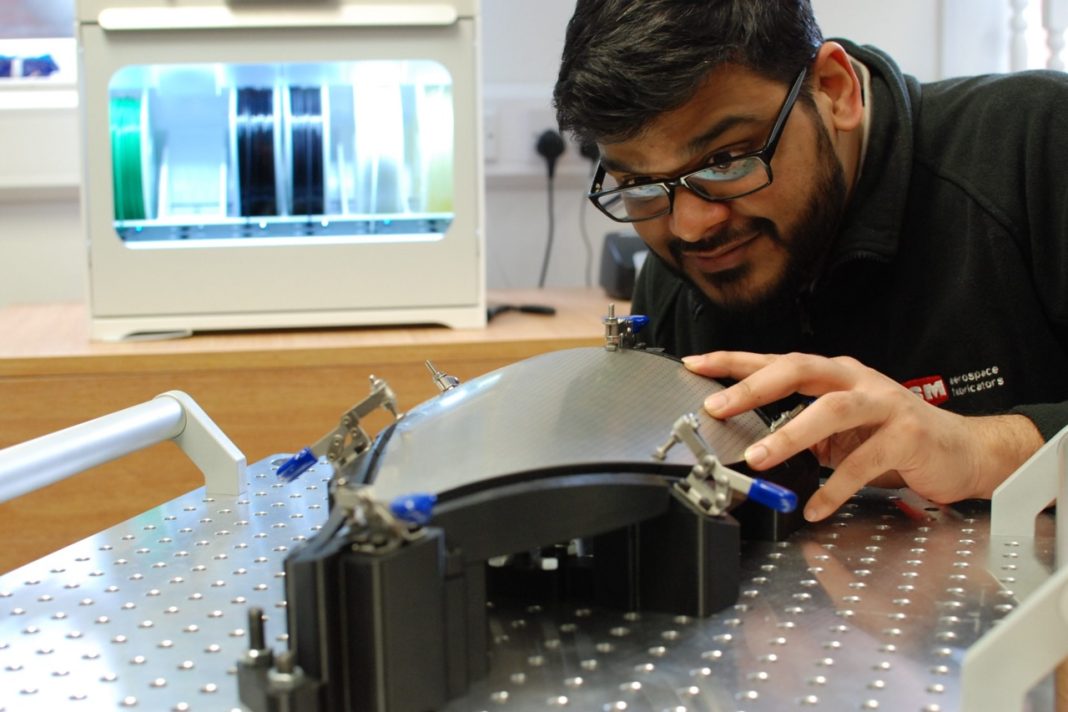
MSM Aerospace Fabricators, a Middleton-based engineering firm supplying Airbus and Boeing, used the Fast Track programme as a springboard to invest in 3D printing for production templates, laser tooling, and inspection gauges.
Michael Pedley, CEO of MSM Aerospace Fabricators, said: “Thanks to Made Smarter and PrintCity we upskilled one of our manufacturing engineers, brought that expertise in-house, and had confidence to invest in 3D printing which has had a phenomenal impact.”
Made Smarter North West offers SME manufacturers access to funded support including digital transformation workshops to create a digital roadmap, impartial and expert technology advice, and leadership and skills training.
To find out more visit madesmarter.uk and printcity.mmu.ac.uk.