


Britain is sitting on a gold mine of valuable unused electronics that is waiting to be tapped, claims a UK sustainable electronics pioneer.
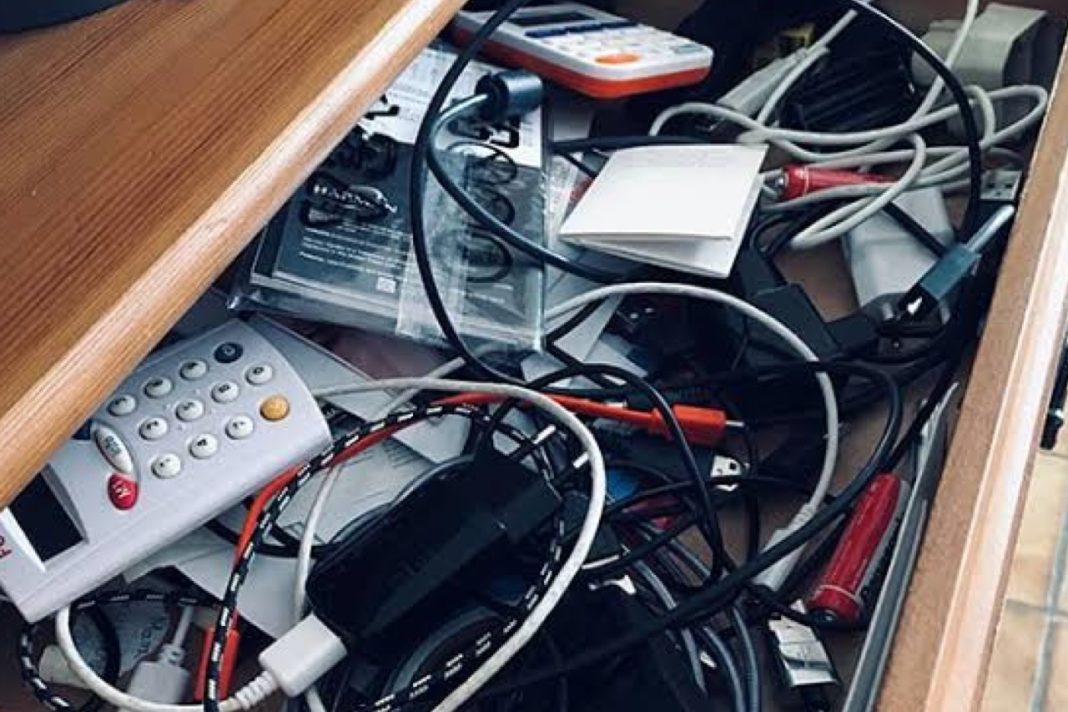
In dusty drawers and garage shelves across the nation, a quiet fortune in old mobile phones, obsolete wires, broken earbuds, and outdated digital cameras lies forgotten, despite potentially containing more gold per kilogramme than gold ore.
Now In2tec, which produces modular electronics designed to be repaired, replaced, reused, and recycled, is urging businesses, the government, and households to work together to unlock the value of the UK’s ewaste mountain.
Emma Armstrong, Sustainable Electronics Ambassador and Group Commercial Director at In2tec, says the answer is circularity in the electronics industry, but for too long it has been seen as an impossibility because of technical challenges, including the complexity of the construction of conventional printed circuit board assemblies (PCBAs) and the limited repair, recycling, and reusability options they present.
She said: “The unavoidable truth is that we are running out of resources required for making everyday devices, such as rare earth elements, aluminium, copper, and steel. These materials are needed to drive innovations in medicine, renewable energy, and engineering to improve the lives of millions. Meanwhile, as much as 7% of the world’s gold reserve is trapped in ewaste. said Emma Armstrong, Sustainable Electronics Ambassador and Group Commercial Director at In2tec.
“We need to do two things – design and implement electronics that can be easily recycled, fixed, or upgraded, while putting in place systems to gather ewaste and extract the materials at scale.”
According to the 2024 edition of the UN and International Telecommunication Global E-Waste Monitor, a record 62 million tonnes of ewaste was produced in 2022, up 82% from 2010, but just 1% of rare earth element demand is met by e-waste recycling.
The issue was recently brought to the fore by tech journalist Kiran Journals. Writing in Space Daily, Journals said: “The richest gold deposit on Earth, measured by grade, is now the accumulated stock of unused consumer electronics sitting in the drawers, cupboards, garages and small-business storage rooms of ordinary people in ordinary homes across every developed country in the world.
“Not slightly more. A lot more.”
She adds that there are two main barriers to realising the value of ewaste – the difficulty of collecting the accumulated technology and the large-scale industrial infrastructure required to process, or ‘urban mine’ it.
“The mining and processing of virgin metals devastate the health of vulnerable communities, demand massive amounts of energy and inflict irreversible damage on ecosystems, leading to deforestation, habitat destruction, and water pollution,” Emma adds.
“Considering these appalling consequences, the recycling of consumer electronics must be prioritised.”